
When Do You Need an Electrician for a Home Renovation?
More Renovations Require an Electrician Than Most Homeowners Realize
If you're planning a renovation, addition, or finishing project, there's a good chance electrical work is part of it — even if it's not obvious at first. Many homeowners discover this partway through a project, which creates delays, cost surprises, and scheduling headaches that could have been avoided.
This page is designed to help you understand exactly when a licensed electrician is required, what triggers that requirement, and how to plan ahead so your project runs smoothly from start to finish.
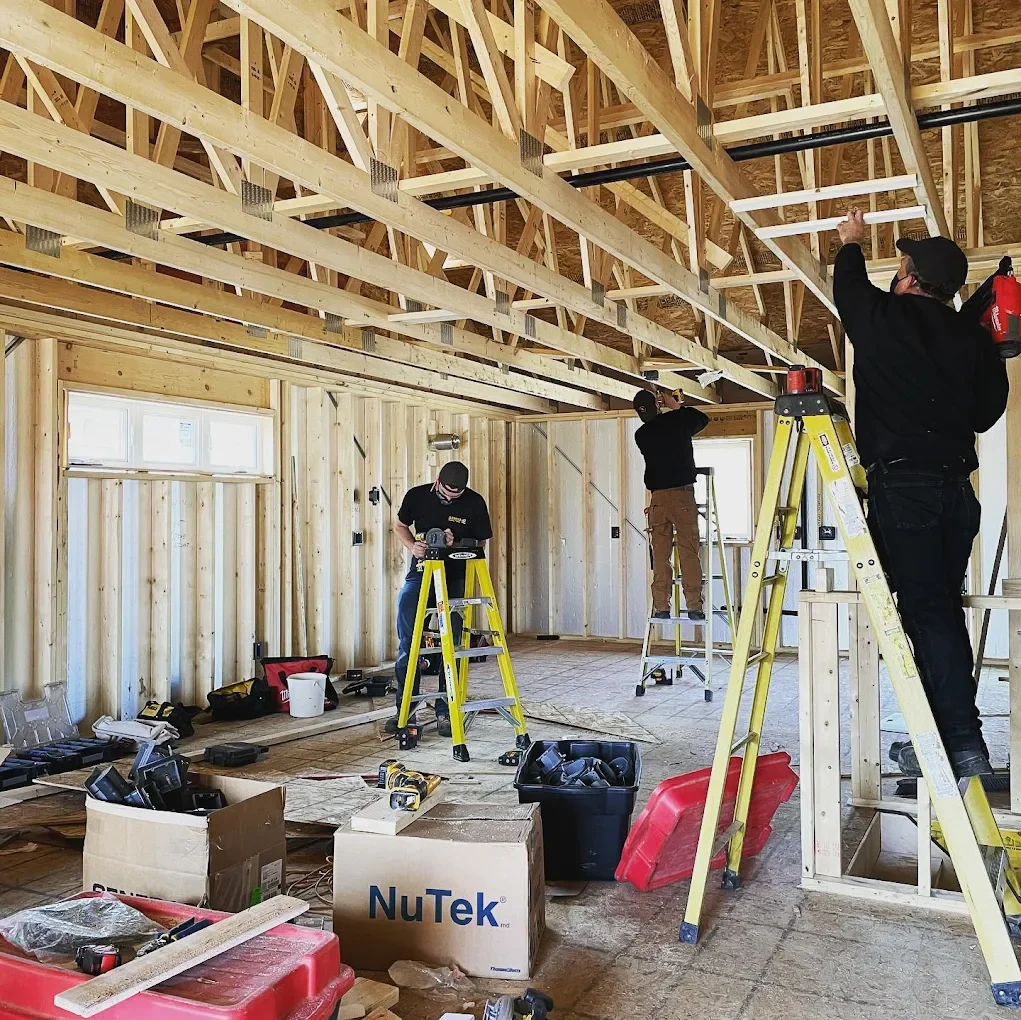

The Short Answer
You need a licensed electrician any time your renovation involves:
Adding, moving, or extending electrical circuits
Installing new outlets, switches, or lighting
Upgrading your electrical panel
Finishing a basement
Adding a room or home addition
Installing hardwired appliances
Rewiring old or unsafe wiring discovered during the project
Any work that requires an ESA permit
If your renovation touches walls, ceilings, or floors,
there's a reasonable chance electrical work is involved.
Common Renovation Scenarios That Require an Electrician
Kitchen Renovations
A kitchen renovation almost always involves electrical work. Moving appliances, adding circuits for new equipment, installing pot lights, upgrading to a dedicated circuit for a range or refrigerator, or adding under-cabinet lighting all require a licensed electrician. If your kitchen hasn't been updated in decades, the existing wiring may also need to be brought up to current code before new work can be added.
Basement Finishing
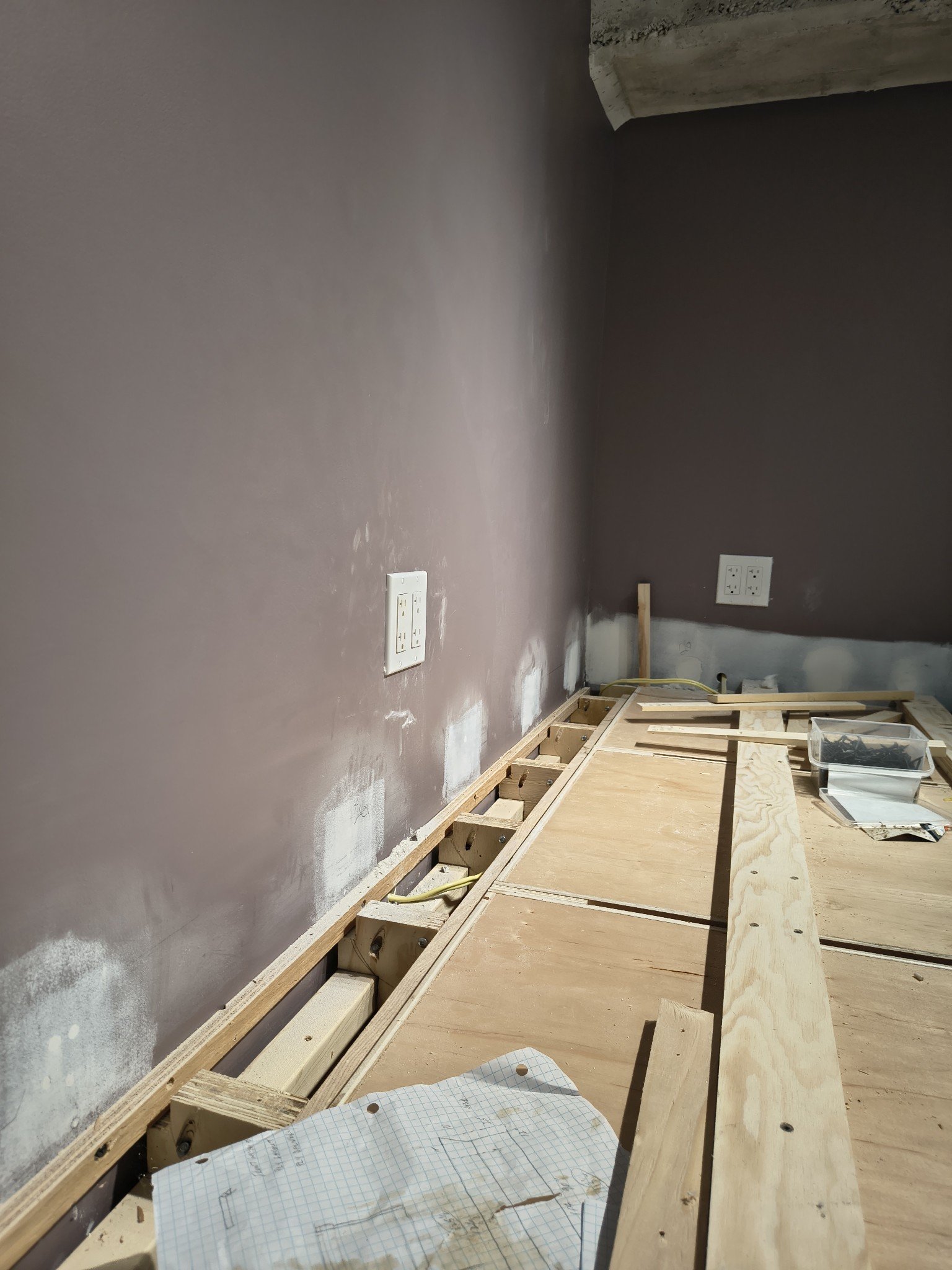
Finishing a basement is one of the most electrical-intensive renovation projects a homeowner can undertake. A typical basement finishing project requires new circuits for outlets and lighting throughout the space, dedicated circuits for home offices or entertainment systems, smoke & carbon monoxide detectors, and maybe a subpanel (depending on the scope). All of this requires an ESA permit and licensed electrical work.
Home Additions
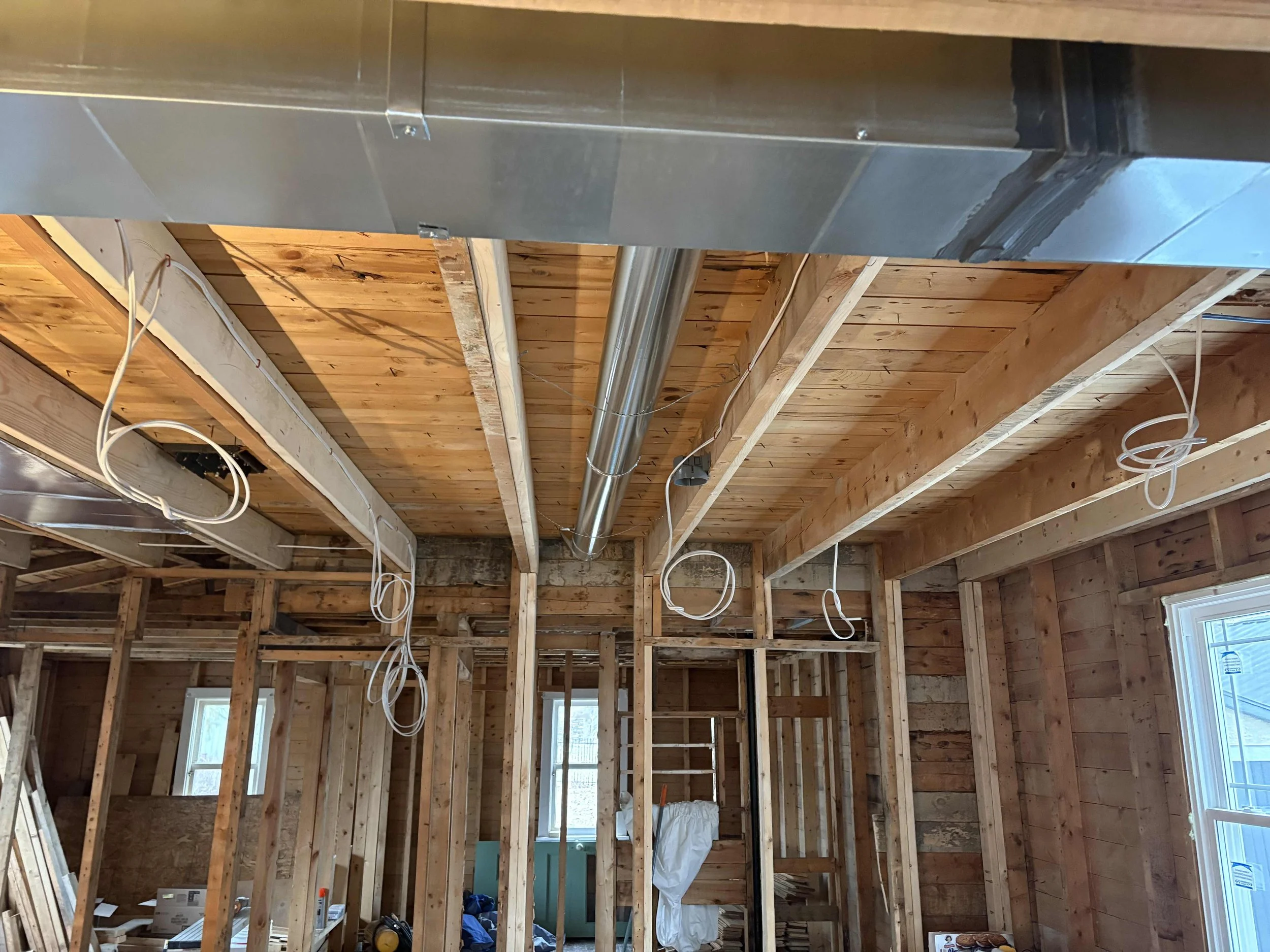
Adding square footage to your home means extending your electrical system to serve the new space. Depending on the size of the addition and your existing panel capacity, this may also require a panel upgrade before the addition can be properly wired. We assess all of this during the free on-site consultation, so you have the complete picture before any work is committed to.
Older Home Renovations
Renovating an older home frequently uncovers wiring that no longer meets current Ontario Electrical Safety Code requirements. Knob and tube wiring, aluminum wiring, or undersized panels are common discoveries. When this happens, remediation is required before new work can proceed. An electrical inspection before your renovation begins is the best way to identify issues early — before your walls are open and your contractor is standing by.
Garage Conversions & Detached Structures
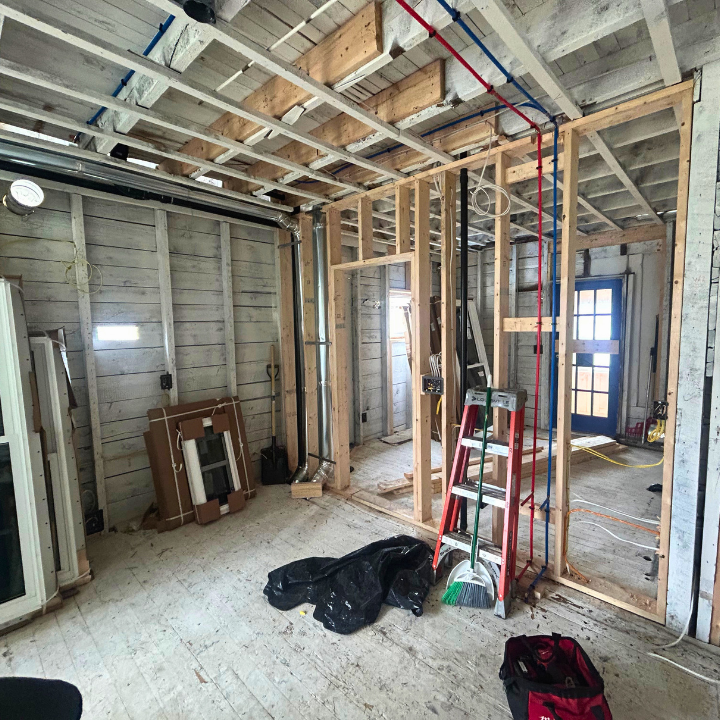
Converting a garage or adding electrical service to a detached structure, such as a workshop, studio, or garden suite, requires a separate electrical service, its own ESA permit, and coordination with your panel to confirm available capacity. This is not a DIY project and not something a general handyman can legally perform in Ontario.
What Triggers an ESA Permit Requirement?
In Ontario, any electrical work beyond basic like-for-like replacements requires an ESA permit. This includes:
Adding new circuits or outlets
Relocating existing outlets or switches
Installing new hardwired lighting
Finishing a basement or adding a room
Upgrading a panel
Installing hardwired appliances
Any work involving your home's electrical panel or service entrance
The permit is not just a formality. It ensures the work is inspected by a qualified ESA inspector and documented as compliant, which matters for your home insurance, your home's resale value, and your safety.
We obtain all required ESA permits on your behalf and include the permit fee in our pricing. You never have to navigate that process yourself.
Why You Shouldn't Wait Until the Last Minute
Electrical work has to happen at the right stage of a renovation — not at the end. Rough-in wiring needs to be completed before insulation and drywall go up. If you bring in an electrician too late, walls that have already been closed may need to be reopened.
The other timing issue is scheduling. Licensed electricians in Eastern Ontario are often booked several weeks out, particularly during spring and fall renovation season.
Calling us early in your planning process — even before you've finalized your contractor — means we can coordinate our schedule with your project timeline rather than becoming the bottleneck.
Start with a $249 Electrical Inspection
If you're not sure what your renovation requires electrically, the best first step is a licensed electrical inspection. For $249, one of our electricians will assess your home's current electrical system, identify any issues that need to be addressed, and give you a clear picture of what your renovation will require.
That $249 is credited in full toward any electrical work we complete with you — so it's not an added cost, it's a head start.
Why Choose Eldridge Electric for Your Renovation?
Eldridge Electric has been serving homeowners across Brockville and Eastern Ontario since 1985. We work regularly alongside general contractors, home builders, and renovation companies — which means we understand how to coordinate our work within a larger project timeline without causing delays.
Every renovation electrical job includes:
Free on-site consultation before any commitment
Licensed electricians on every project
Full ESA permit handling and inspection coordination
Clear communication with your GC or renovation contractor
Transparent pricing with no surprise charges
45% upfront, 45% when rough-in is complete, final 20% on project completion