
Is Knob and Tube Wiring Dangerous? What Ontario Homeowners Need to Know
If your home was built before the 1950s — and many homes in Brockville and Eastern Ontario were — there's a reasonable chance it still contains knob and tube wiring. Whether you've just discovered it during a renovation, had it flagged on a home inspection, or simply noticed it while exploring your basement or attic, understanding what it is and what it means for your home is important.
Here's what Ontario homeowners need to know.
What is Knob and Tube Wiring?
Knob and tube wiring was the standard method of electrical wiring in Canadian homes from approximately the 1880s through to the late 1940s. It gets its name from two components:
Knobs — ceramic insulators that were nailed to wooden framing to hold the wire in place and keep it separated from combustible materials.
Tubes — ceramic tubes inserted through wood joists and studs to protect the wire where it passed through framing.
The wiring itself consists of single-conductor copper wires — a hot wire and a neutral wire — run separately through the house rather than bundled together in a sheathed cable the way modern wiring is. There is no ground wire, which is one of the key distinctions between knob and tube and modern electrical systems.
At the time it was installed, knob and tube wiring was a safe and functional system. The problem is not that it was poorly designed — it's that it was designed for a world with far lower electrical demands than what modern homes require.
What Does Knob and Tube Wiring Look Like?
Knob and tube wiring is fairly easy to identify if you can access your basement, attic, or open wall cavities. Look for:
Single black and white insulated wires running separately along joists or studs
White ceramic knobs nailed to framing, holding the wires in place
White ceramic tubes where wires pass through wood framing
Cloth or rubber insulation on the wires rather than modern plastic sheathing
No ground wire present
If you're not sure what you're looking at, a licensed electrician can identify it quickly during a home inspection or site visit.
Why is Knob and Tube Wiring a Concern?
Knob and tube wiring is not automatically dangerous simply because it exists — but it does present a number of concerns that homeowners and insurers take seriously.
Age and Insulation Deterioration
The insulation on knob and tube wiring is typically cloth or rubber, both of which degrade significantly over time. After 70 or more years, this insulation can become brittle, crack, and in some cases fall away entirely — leaving bare energized conductors exposed to combustible materials. This is the most serious safety concern associated with knob and tube wiring.
No Ground Wire
Knob and tube wiring has no ground wire. Grounding is a fundamental safety feature of modern electrical systems — it provides a safe path for fault current and is what allows GFCI protection to function properly. Without a ground, there is no protection against electrical shock in the event of a fault.
Not Designed for Modern Electrical Loads
Homes with knob and tube wiring were typically wired for a fraction of the electrical load that modern households consume. Adding modern appliances, electronics, air conditioning, and high-draw devices to a system not designed for them creates the risk of overloading circuits — a leading cause of electrical fires.
Improper Modifications Over the Decades
In many older homes, knob and tube wiring has been modified, extended, or spliced by previous owners or unlicensed contractors over the years. These modifications — particularly connections made inside wall cavities without proper junction boxes — are often non-compliant and potentially dangerous.
Insulation Coverage
Knob and tube wiring was designed to operate in open air, which allowed heat to dissipate. When attic insulation is installed over knob and tube wiring — as commonly happens during home energy upgrades — the wiring can no longer dissipate heat effectively. This significantly increases the risk of overheating.
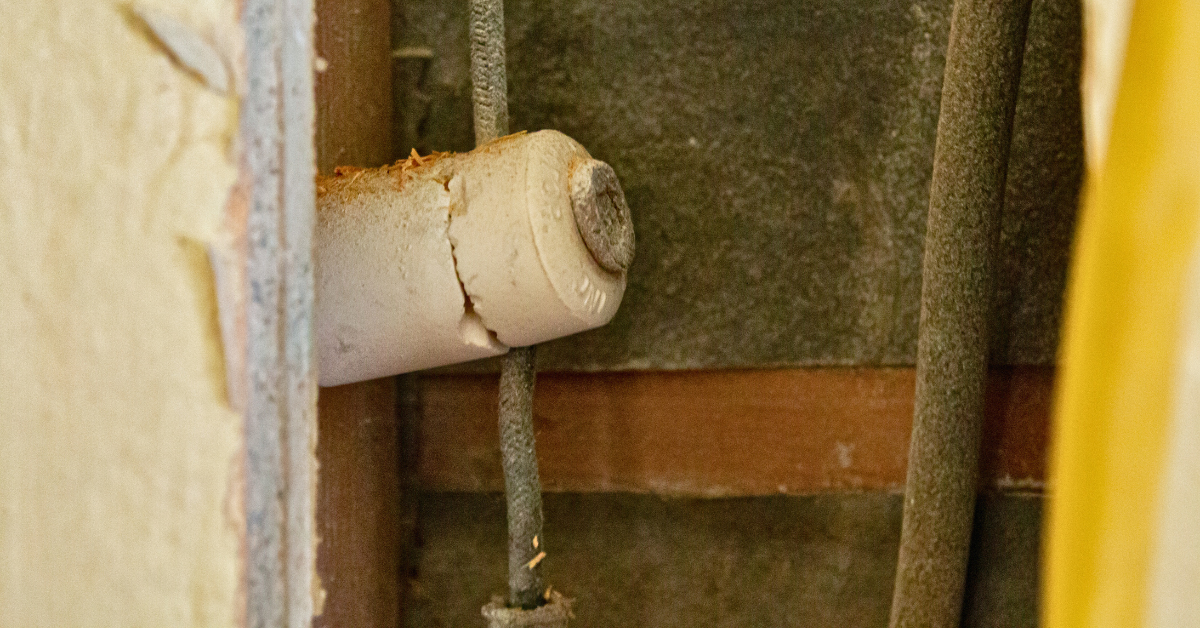
A ceramic knob holding cloth-insulated knob and tube wiring in place inside a wall cavity. This type of wiring was standard in Canadian homes built before the 1950s and is still found in many older properties across Eastern Ontario.
Whatever it is, the way you tell your story online can make all the difference.
Can You Get Home Insurance with Knob and Tube Wiring in Ontario?
This is one of the most common questions homeowners ask — and the honest answer is that it depends on the insurer, but it is increasingly difficult.
Many Ontario insurance providers either refuse to insure homes with active knob and tube wiring, charge significantly higher premiums, or require the wiring to be removed and replaced as a condition of coverage. This is particularly relevant for homeowners who are:
Purchasing a home and applying for new insurance coverage
Renewing an existing policy where the insurer has tightened requirements
Making a claim that results in an inspection revealing the wiring
If you are buying or selling a home with knob and tube wiring, disclosure is important. In Ontario, sellers are generally expected to disclose known material defects — and active knob and tube wiring that affects insurability qualifies as a material concern.
Can You Sell a House with Knob and Tube Wiring in Ontario?
Yes — there is no law in Ontario that prohibits the sale of a home with knob and tube wiring. However the insurability issue means that buyers may struggle to obtain coverage, which can complicate mortgage approval and significantly affect your pool of qualified buyers.
Many sellers choose to address knob and tube wiring before listing, specifically to avoid this friction and support a smoother transaction.
Is Knob and Tube Wiring Legal in Ontario?
Knob and tube wiring that was installed to the code of its era and has not been modified is not technically illegal — it is considered grandfathered under the Ontario Electrical Safety Code. However, any new work, additions, or modifications to a home with knob and tube wiring must meet current code requirements, and many renovations effectively trigger the need to address the existing wiring.
The Ontario Electrical Safety Code also prohibits covering knob and tube wiring with insulation, which creates a compliance issue for many older homes that have had attic insulation added over the years.
What Are Your Options?
Full Rewiring
The most comprehensive solution is to remove the knob and tube wiring entirely and replace it with modern grounded wiring. This resolves all safety, insurance, and compliance concerns and brings the home's electrical system fully up to current standards. For older homes undergoing significant renovations, this is often the most practical approach since walls and ceilings are already opened up.
Partial Rewiring
In some cases, a targeted approach — rewiring specific circuits or areas of concern rather than the entire home — can address the most critical issues while managing cost. A licensed electrician can assess which portions of the system pose the greatest risk and prioritize accordingly.
Electrical Inspection First
If you're unsure about the extent or condition of knob and tube wiring in your home, the best first step is a professional electrical inspection. Eldridge Electric provides full-home electrical inspections for $249 plus tax — and if you proceed with any recommended work, that amount is credited toward the cost of the project.
An inspection gives you a clear picture of what you have, what condition it's in, and what your realistic options are before committing to any scope of work.
Ready to Understand What's in Your Walls?
If your home may contain knob and tube wiring — or if you've already had it identified and want to understand your options — Eldridge Electric is here to help. Our licensed electricians serve homeowners throughout Brockville, the 1000 Islands, and Eastern Ontario.
Book a home electrical inspection or contact us to discuss rewiring options for your home.
Eldridge Electric Inc. is a licensed and insured electrical contractor based in Brockville, Ontario. ECRA/ESA Licence #7015512.
