
Is Aluminum Wiring in Your Home Safe?
If your home was built between the mid-1960s and the mid-1970s, there's a reasonable chance it contains aluminum wiring. During that period, a sharp rise in copper prices led builders and electricians across Canada to switch to aluminum as a lower-cost alternative. The practice was widespread — and millions of Canadian homes still contain it today.
Whether you've just discovered aluminum wiring in your home, had it flagged on a home inspection, or are simply wondering what it means for your insurance or resale value, here's what Ontario homeowners need to know.
What Is Aluminum Wiring and When Was It Used?
Aluminum wiring refers to the use of aluminum conductors for branch circuit wiring — the wiring that runs from your electrical panel to outlets, switches, and fixtures throughout your home.
In Ontario, aluminum branch circuit wiring was commonly installed in homes built roughly between 1965 and 1976, when the practice largely fell out of favour following concerns about safety and performance. Aluminum is still used today for larger service conductors — the heavy wiring that runs from the utility to your panel — but its use for branch circuit wiring in residential construction is no longer standard practice.
How Do You Know If Your House Has Aluminum Wiring?
There are a few ways to identify aluminum wiring in your home.
Check your electrical panel — aluminum wiring often has the letters AL marked on the wire insulation or on the panel label. If your panel lists aluminum branch circuits, that's a clear indicator.
Look at exposed wiring — in unfinished basements, attics, or utility rooms where wiring is visible, aluminum wire has a silver appearance rather than the copper-orange colour of copper wire.
Check the age of your home — if your home was built between approximately 1965 and 1976 and has never had its wiring replaced or updated, aluminum branch circuit wiring is likely present.
Get a professional assessment — the most reliable way to confirm is a home electrical inspection by a licensed electrician. Our electricians can identify aluminum wiring quickly and provide an accurate assessment of its current condition.
Is Aluminum Wiring Dangerous?
Aluminum wiring is not inherently dangerous — but it does carry specific risks that copper wiring does not, and those risks increase significantly when the wiring has not been properly maintained or when connections have deteriorated over time.
Expansion and Contraction
Aluminum expands and contracts at a different rate than copper when it heats and cools during normal electrical use. Over time, this movement can cause connections at outlets, switches, and fixtures to loosen — and loose connections are a primary cause of electrical fires.
Oxidation
Aluminum oxidizes more readily than copper, forming aluminum oxide at connection points. This oxidation increases electrical resistance at the connection, which generates heat. If left unaddressed, this heat buildup can damage insulation and surrounding materials.
Incompatible Devices
Standard electrical outlets, switches, and fixtures are designed for copper wiring. When aluminum wiring is connected to devices not rated for aluminum, the different properties of the two metals at the connection point create a risk of overheating. Devices rated for aluminum wiring are marked AL or CO/ALR — devices without this rating should not be used with aluminum wiring.
Age-Related Deterioration
Like any wiring system, aluminum wiring that is 50 or more years old may have connections that have loosened over decades of thermal cycling, insulation that has degraded, or modifications made by previous owners that don't meet current standards.
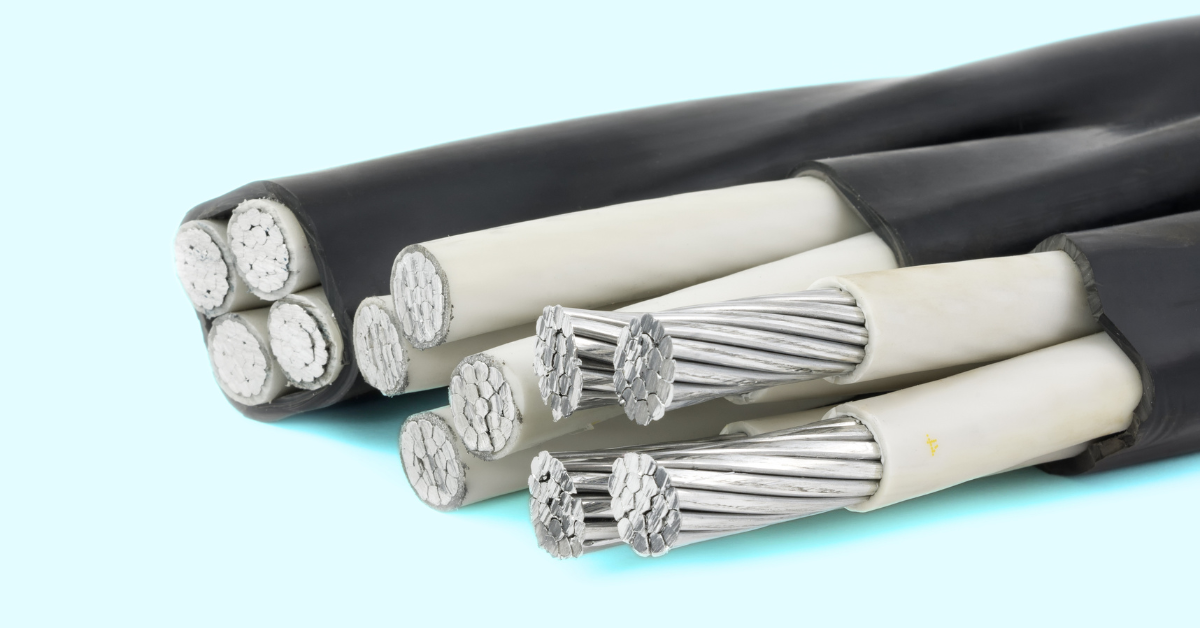
Aluminum wiring is identifiable by its silver appearance — distinct from the copper-orange colour of modern copper wiring. Many Ontario homes built between 1965 and 1976 still contain aluminum branch circuit wiring today.
Whatever it is, the way you tell your story online can make all the difference.
Can You Get Insurance With Aluminum Wiring in Ontario?
This is the most common concern homeowners have — and the answer is similar to knob and tube wiring: it depends on the insurer, but aluminum wiring does affect your insurance options.
Many Ontario insurers require a professional inspection and ESA assessment of aluminum wiring before issuing or renewing a policy. Some insurers charge higher premiums for homes with aluminum wiring. Others require remediation work to be completed as a condition of coverage.
If you are buying a home with aluminum wiring, confirming insurability before closing is strongly recommended. If you are renewing an existing policy, be aware that insurers have been tightening requirements for older wiring systems in recent years.
Can You Sell a House With Aluminum Wiring in Ontario?
Yes — there is no law prohibiting the sale of a home with aluminum wiring. However, the insurance implications mean that buyers may face challenges obtaining coverage, which can affect mortgage approval and complicate the transaction.
Sellers are generally expected to disclose known material defects in Ontario. Aluminum wiring that affects insurability is a material concern that should be disclosed to potential buyers.
Many sellers choose to address aluminum wiring remediation before listing to avoid negotiation friction and support a smoother sale.
What Are Your Options for Aluminum Wiring?
Copper Pigtailing (CO/ALR Remediation)
The most common approach for managing aluminum wiring is copper pigtailing — a process where short lengths of copper wire are connected to the aluminum wiring at each outlet, switch, and fixture using special connectors approved for aluminum-to-copper connections. This eliminates the incompatibility issue at device connections and is recognized by the ESA as an acceptable remediation method.
Pigtailing does not replace the aluminum wiring itself — it addresses the connection points where most problems occur.
Device Replacement with CO/ALR Rated Devices
Where pigtailing is not practical, replacing existing outlets and switches with devices rated CO/ALR — approved for use with aluminum wiring — addresses the compatibility concern at connection points without requiring new connectors.
Full Rewiring
For homeowners who want a permanent, comprehensive solution, replacing the aluminum branch circuit wiring entirely with modern copper wiring eliminates all aluminum wiring concerns. This is a more significant investment but resolves all safety, insurance, and resale considerations definitively.
Electrical Inspection First
If you're unsure about the condition of aluminum wiring in your home or what remediation approach makes sense for your situation, a professional electrical inspection is the right starting point. Eldridge Electric provides full-home electrical inspections for $249 plus tax — and if you proceed with any recommended work, that amount is credited toward your project.
Ready to Find Out Where Your Home Stands?
Aluminum wiring doesn't have to be a deal-breaker — but it does need to be properly assessed and addressed. Eldridge Electric serves homeowners throughout Brockville, the 1000 Islands, and Eastern Ontario with professional electrical inspections and rewiring services.
Contact us to book a home electrical inspection or discuss your aluminum wiring options.
Eldridge Electric Inc. is a licensed and insured electrical contractor based in Brockville, Ontario. ECRA/ESA Licence #7015512.
