
Are Whole Home Surge Protectors Worth It?
Most Ontario homeowners have a power bar with a built-in surge protector somewhere in their home — protecting a television, a computer, or a home office setup. But few consider what happens to everything else when a power surge hits.
Your furnace. Your refrigerator. Your air conditioning system. Your EV charger. Your smart appliances. None of these are protected by a power bar — and a single significant power surge can damage or destroy all of them simultaneously.
That's the problem a whole home surge protector is designed to solve. Here's how they work, what they protect against, and whether the investment makes sense for your home.
What is a Whole Home Surge Protector?
A whole home surge protector — also called a whole house surge protector or panel surge protector — is a device installed directly at your electrical panel that protects every circuit in your home from power surges simultaneously.
Unlike a plug-in power bar that protects only the devices connected to it, a whole home surge protector intercepts excess voltage at the point where electricity enters your home's distribution system. If a surge occurs, the device diverts the excess energy safely to ground before it can travel through your wiring and damage connected equipment.
What Causes Power Surges?
Power surges vary significantly in size and source — and not all of them come from lightning strikes, which is a common misconception.
Lightning Strikes
A nearby lightning strike is the most dramatic cause of a power surge and can generate an enormous spike in voltage. A direct strike or a strike near utility lines can send a surge through your electrical system powerful enough to damage virtually any connected device instantly.
Utility Switching and Grid Events
Power companies routinely switch equipment, reroute power, and manage load across the grid — and these switching events can produce surges that travel through the distribution system into homes. These surges are smaller than lightning events but occur far more frequently.
Internal Surges from Large Appliances
This surprises most homeowners — a significant portion of power surges originate inside the home rather than from outside. Large appliances like air conditioners, refrigerators, heat pumps, and sump pumps draw substantial current when their motors start and stop. This cycling creates small but repeated surges that travel through your home's wiring and gradually degrade sensitive electronics over time.
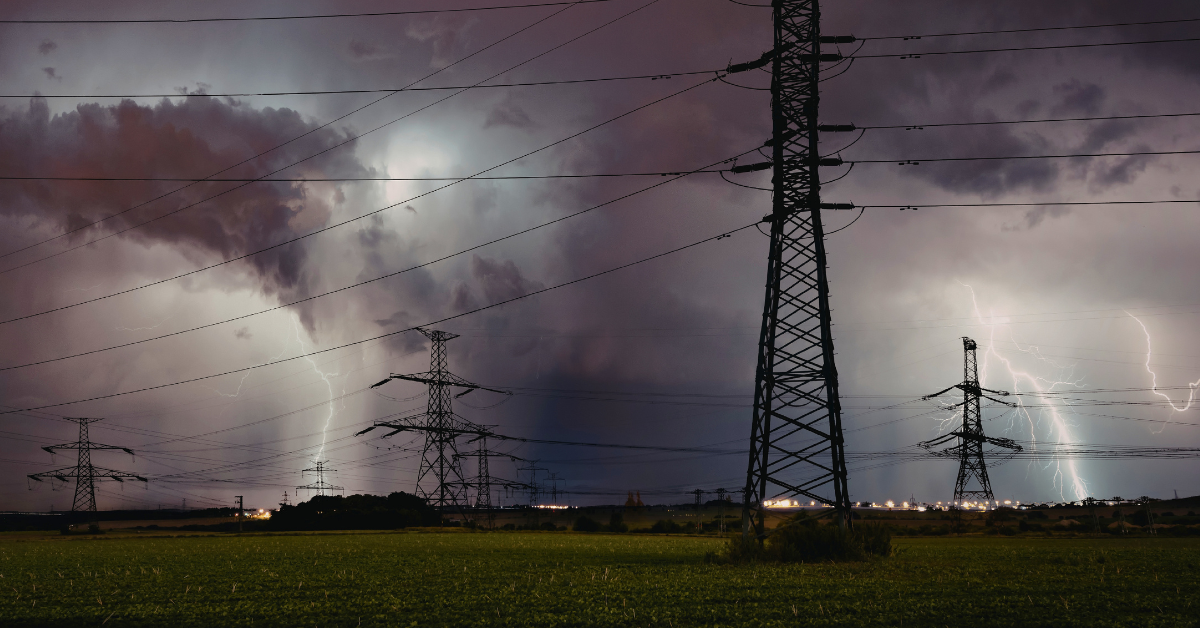
Lightning strikes near utility lines are one of the most common causes of significant power surges — but they're far from the only one. Utility switching events and your own appliances generate surges more frequently than most homeowners realize.
Whatever it is, the way you tell your story online can make all the difference.
How Does a Whole Home Surge Protector Work?
A whole home surge protector uses metal oxide varistors — MOVs — to monitor the voltage on your electrical system continuously. When voltage exceeds a safe threshold, the MOVs divert the excess energy to the ground wire, preventing it from reaching your devices and appliances.
The device is installed in or adjacent to your main electrical panel by a licensed electrician and operates automatically — there are no switches to flip or settings to adjust. When a surge occurs, it responds in nanoseconds.
Most whole home surge protectors also include an indicator light that shows whether the device is functioning properly, which is useful since MOVs degrade over time with repeated surge events and the device may eventually need replacement.
What Does a Whole Home Surge Protector Actually Protect?
Every hardwired circuit and device in your home benefits from protection, including:
HVAC systems — furnaces, heat pumps, air conditioners
Refrigerators, freezers, and major kitchen appliances
Washer and dryer
EV chargers
Smart home systems and thermostats
Security systems and cameras
Hardwired lighting systems
Sump pumps and well pumps
Any electronics plugged into outlets throughout the home
This is the key distinction from plug-in surge protectors — a whole home device protects hardwired equipment that can never be plugged into a power bar.
Do You Still Need Plug-In Surge Protectors?
Yes — and this is an important point. A whole home surge protector and plug-in power bar surge protectors serve complementary roles rather than replacing each other.
A whole home device handles large external surges — the kind from lightning and utility events — extremely well. However for sensitive electronics like computers, televisions, and audio equipment, a quality plug-in surge protector adds a second layer of fine-grained protection against smaller voltage variations that may pass through the whole home device.
The recommended approach for maximum protection is both — a whole home surge protector at the panel combined with quality plug-in surge protectors for your most sensitive and valuable electronics.
How Much Does a Whole Home Surge Protector Cost in Ontario?
A whole home surge protector is one of the more affordable electrical upgrades available to homeowners. The device itself typically costs between $100 and $300, depending on the brand and protection rating. Aside from that, there is only the cost for professional installation by a licensed electrician, who will need to move your existing breakers so that the surge protector can be put into the appropriate slot.
The total investment is modest when measured against the value of the equipment it protects. A single HVAC system replacement can cost thousands of dollars — and that's before accounting for refrigerators, appliances, electronics, and smart home equipment that a surge could affect simultaneously.
Is a Whole Home Surge Protector Worth It?
For most Ontario homeowners — yes, straightforwardly.
The combination of aging grid infrastructure, increasing frequency of severe weather events, and the growing number of high-value electronics and smart appliances in modern homes makes whole home surge protection a practical investment rather than an optional luxury.
Homes with any of the following are particularly good candidates:
EV chargers or other high-value electrical installations
Smart home systems or home automation equipment
Heat pumps or variable speed HVAC systems
Home offices with computers and networking equipment
Rural properties that are more exposed to lightning and utility switching events
Older electrical panels that may be more susceptible to surge damage
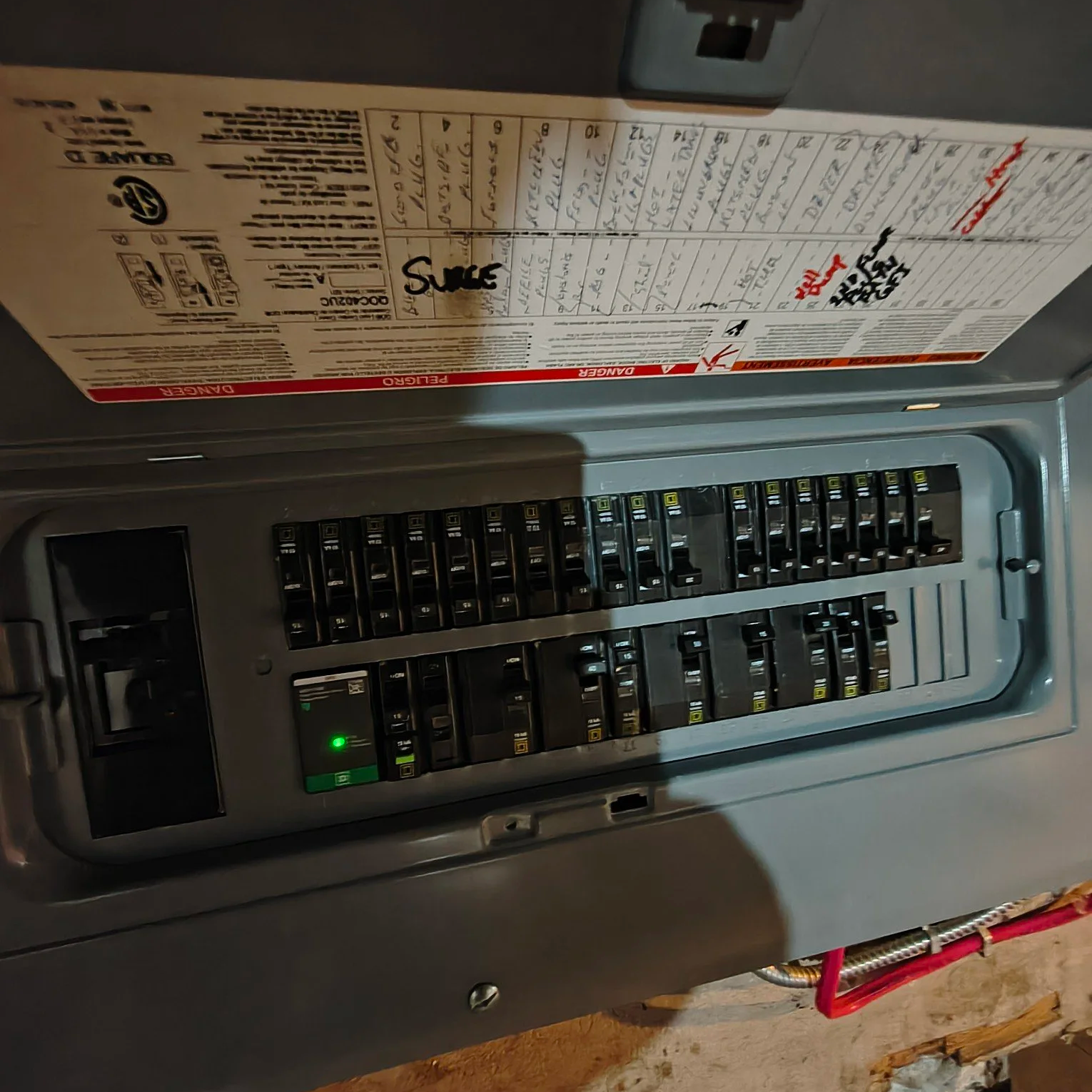
A whole home surge protector installed directly at the electrical panel — protecting every circuit in the home from power surges.
Whatever it is, the way you tell your story online can make all the difference.
How is a Whole Home Surge Protector Installed?
Installation is completed by a licensed electrician and typically takes less than an hour. The device is connected directly to your main electrical panel — either installed inside the panel enclosure or mounted adjacent to it — with connections to the panel's main lugs or a dedicated breaker, depending on the unit and panel type.
As licensed electrical contractors, Eldridge Electric completes all surge protector installations in full compliance with Ontario's electrical code. If you have questions about what's involved for your specific panel and setup, we're happy to walk you through it during a free site visit.
Ready to Protect Your Home?
Eldridge Electric installs whole home surge protectors for homeowners throughout Brockville, the 1000 Islands, and Eastern Ontario. Installation is fast, affordable, and provides immediate protection for every circuit in your home.
Contact us today to request a quote or discuss surge protection options for your home.
Eldridge Electric Inc. is a licensed and insured electrical contractor based in Brockville, Ontario. ECRA/ESA Licence #7015512.
